
Understanding the draft of a sail

Updated: Jun 11
When we talk about going fast upwind, one of the biggest players in your speed game is draft—the depth and position of the belly of your sail. It controls how much power you generate, how well you point, and how controllable the boat feels as the wind builds. And one control more than any other helps you tune this on the fly: the downhaul also known as the cunningham.
What is the draft?
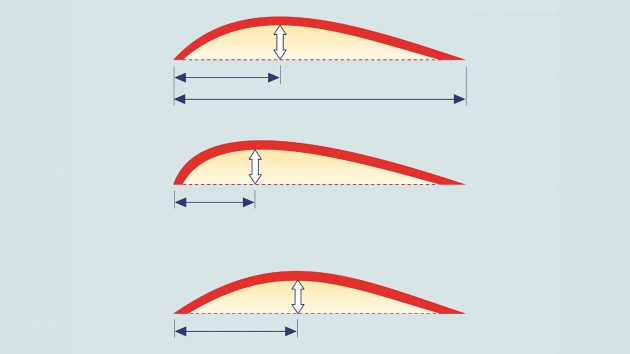
Draft is the maximum curve in the sail. A deeper draft gives you more power—great for acceleration and low-wind situations. A flatter sail reduces drag and helps you stay upright in breeze.
The position of the draft matters too:
Forward draft = more responsive, better pointing
Aft draft = more powerful but harder to control
Your goal is to shift between power and control depending on the breeze, waves, and race mode.
How the downhaul changes draft
The downhaul acts directly on the luff tension. When you pull it on, you’re stretching the front of the sail. That stretch changes the sail’s geometry in three important ways:
Flattens the sailI - increasing luff tension pulls cloth forward, removing belly and reducing overall draft depth.
Result: less power and reduced heeling.
Moves the draft forward - a tight luff drags the deepest point of the sail toward the mast.
Result: cleaner airflow and better pointing in breeze.
Opens the leech - more downhaul loosens the upper leech, helping the sail twist.
Result: spill excess power and keep the boat balanced.
When you ease the downhaul, the opposite happens: draft grows and shifts aft, adding grunt for acceleration.
Ready to take your sailing further?
Get exclusive coaching content, race strategy insights, venue preparation resources, monthly live sessions, and more with an Apex Sailing subscription.
Sail clear. Sail fast. Join Apex Sailing today.

Comments